
 Reviews
// 001
Rise of Kingdoms on PC: Is It Worth Playing in 2026?
Lilith's real-time strategy game now has an official Windows client. Here's what changes when 15 civilizations, real-time kingdom wars and alliance politics get a full-size screen.
Seven years and a billion dollars in, Plarium's champion collector is more polished and more generous than its meme reputation suggests, but its economy is still built to wear you down.
Raid: Shadow Legends is a genuinely well-crafted squad RPG with over a thousand champions and constant updates, dragged down to mediocrity by monetisation that pressures the player at every single screen.
Raid: Shadow Legends might be the most advertised video game in history, which makes it strangely easy to forget that underneath the sponsored-segment memes sits an actual game, one that 86 million people have downloaded and that has now crossed a billion dollars in lifetime player spending. I went in expecting a cynical slot machine wearing a fantasy skin. What I found is more complicated: a mechanically sound, lavishly produced squad RPG that would rate a couple of points higher if it could just stop grabbing my sleeve every thirty seconds to show me a bundle.
Strip away the shop and Raid is a turn-based team battler in the classic collector mould. You assemble squads of champions from a roster that now exceeds a thousand across sixteen factions, including the Argonites added in early 2026, and push them through campaign stages, dungeons, faction wars, clan bosses and PvP arenas. Every champion has a rarity, an affinity, a skill kit and six gear slots, and the interplay between speed tuning, debuff stacking and turn-meter manipulation gives the combat real strategic texture.
That texture is the surprise. Building a clan boss team that survives on counterattacks and poisons, or tuning arena squads so your buffer moves first by a single point of speed, is proper systems tinkering, and the community theorycrafting around it is deep and long-lived. The dark fantasy art direction is handsome, animations are punchy, and champion designs, while occasionally absurd, are consistently characterful. Plarium's monthly patch cadence has held all through 2026, delivering new champions, events and quality-of-life passes, and the Steam version's climb from 42 percent positive reviews at its 2024 debut to around 61 percent today reflects genuine improvement.
The trouble starts when you look at how progress is paced. Raid's economy is layered like sediment: energy that gates play sessions, silver that gates gear upgrades with brutal failure odds, shards that gate champion pulls, and half a dozen event currencies orbiting them. The early game is deliberately generous, showering new accounts with resources and a strong starter, and for a fortnight it feels almost benevolent. Then the curve bends. Gear upgrades start eating millions of silver, energy runs dry mid-farm, and the difference between your roster and the wall in front of you is measured in weeks of grinding or one conveniently timed bundle.
Is a free path real? Yes, verifiably. Content creators have documented full free-to-play accounts clearing essentially all PvE content, but the honest timeline for that is six to twelve months of consistent daily play, most of it spent auto-battling the same dungeons while you do something else. Raid is often less a game you play than a game you administrate, and whether that ritual sounds cosy or dystopian will predict your enjoyment better than any review.
Technically, there is little to fault. The PC client is stable, load times are short, and the production sheen extends from menus to cinematics. But the monetisation deserves the criticism it gets, because it is not one system, it is weather. Log in and offers bloom across the screen: launch bundles, progression bundles, event top-ups, battle passes, subscription-style boosts. Pop-ups interrupt play after milestones. The gacha odds on top champions are punishing, and unlike the friendlier end of the genre there is no hard pity worth the name on legendary pulls. None of it is hidden or dishonest, and estimates put annual revenue north of 100 million dollars, so it clearly works. But the constant pressure corrodes the experience even for players who never spend, because every system's friction reads as a nudge toward the till.
If you love collector RPGs, enjoy long-horizon account-building, and have the temperament to ignore storefront noise, Raid offers more depth and more ongoing support than most of its imitators, free. Lapsed players from the rough 2024 Steam launch will find a better-run game today. But anyone with a history of struggling against manipulative game economies should stay far away, this genre's tactics are at their most refined here, and players who want their strategy games to respect their time will bounce off the auto-battle grind long before the endgame opens up.
Raid: Shadow Legends is a competent, even elegant squad RPG locked inside a machine designed to monetise impatience. The combat math is genuinely engaging, the roster and update cadence are best-in-class for the genre, and a free path exists for the stubborn. But the throttled progression, the ceaseless offers and the punishing pull odds are not side effects, they are the design, and they cap how good this game is allowed to feel. It settles at 5.8: a decent game and a demanding business model, permanently arm-wrestling, with the business model usually winning.
ReviewsLilith's real-time strategy game now has an official Windows client. Here's what changes when 15 civilizations, real-time kingdom wars and alliance politics get a full-size screen.
 Setup
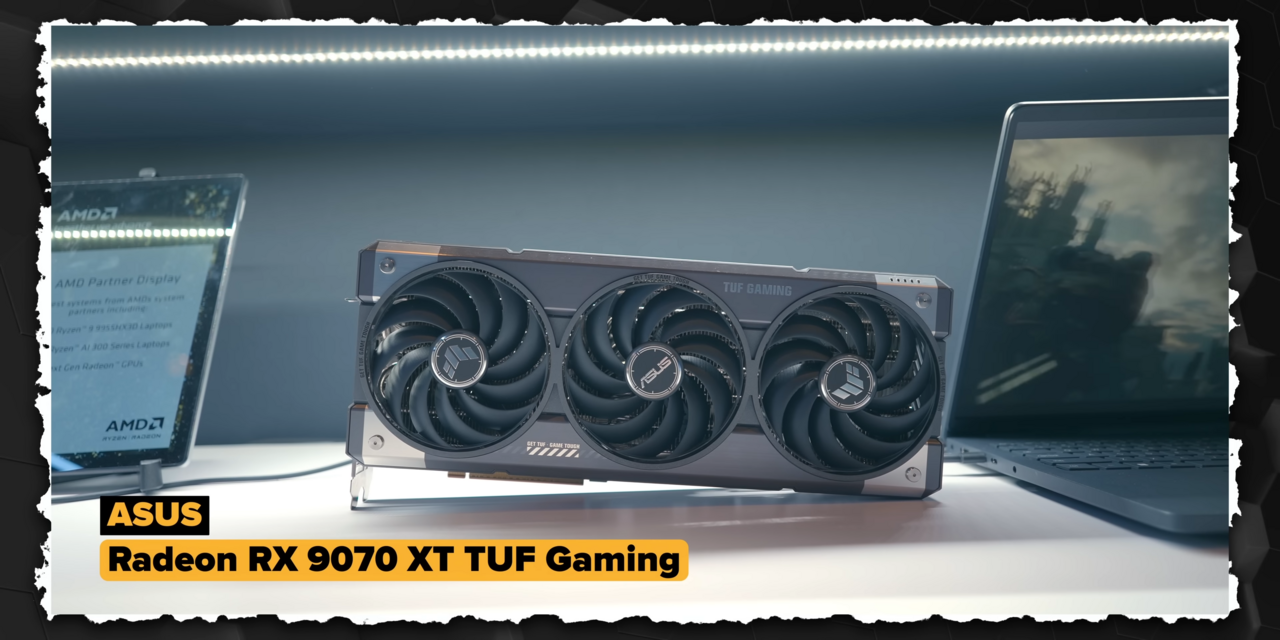
SetupNVIDIA and AMD both want your $549 for a 1440p card, and for once the fight is genuinely close. Here is how the RTX 5070 and RX 9070 actually compare in games, features, and long-term value.
 Setup
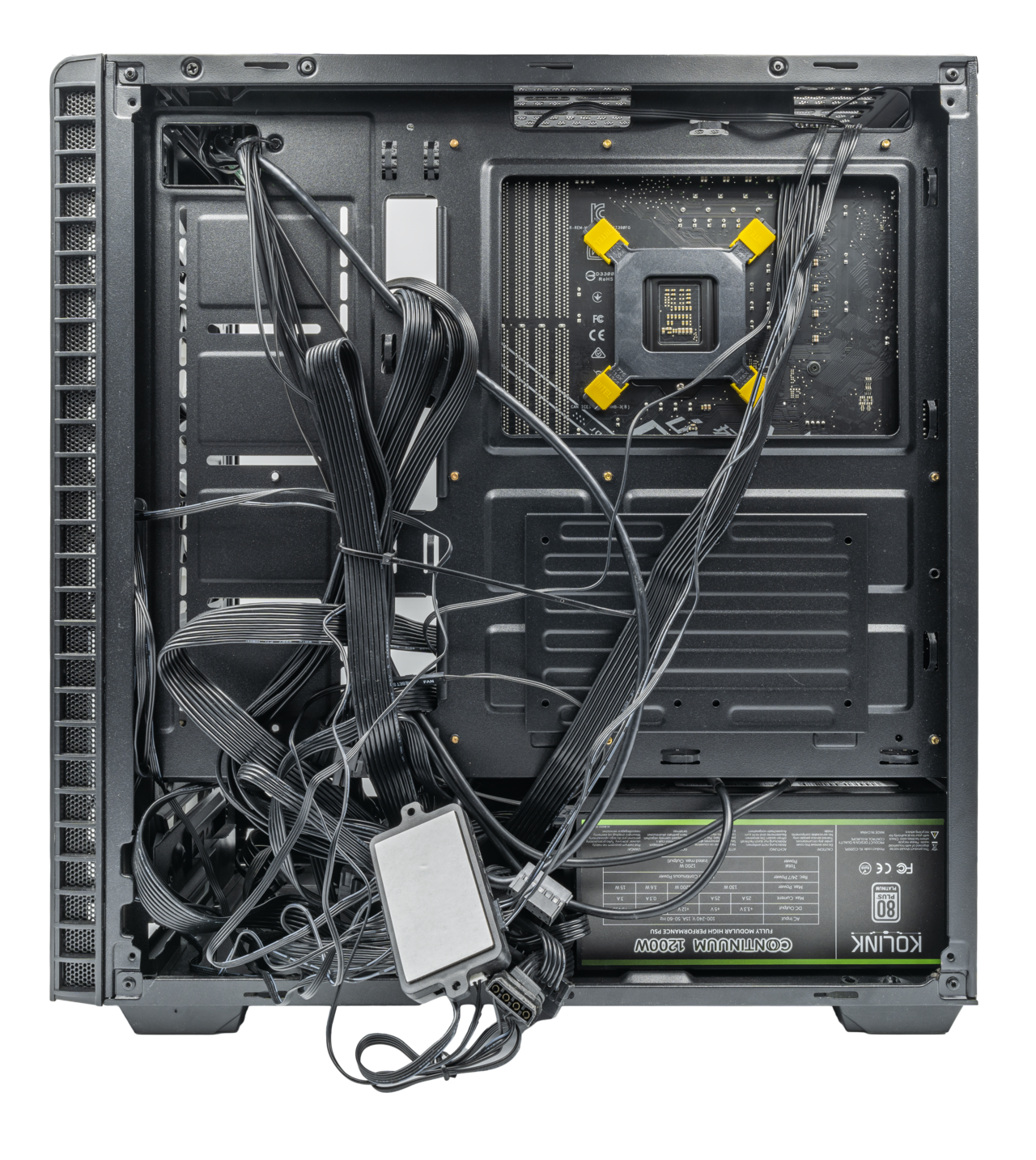
SetupA grand does not buy a monster rig, but in 2026 it buys a genuinely good one. Here are the prebuilts worth your money, the specs that actually matter, and the traps that turn a bargain into a dead end.