
 Reviews
// 001
Rise of Kingdoms on PC: Is It Worth Playing in 2026?
Lilith's real-time strategy game now has an official Windows client. Here's what changes when 15 civilizations, real-time kingdom wars and alliance politics get a full-size screen.
NVIDIA and AMD both want your $549 for a 1440p card, and for once the fight is genuinely close. Here is how the RTX 5070 and RX 9070 actually compare in games, features, and long-term value.
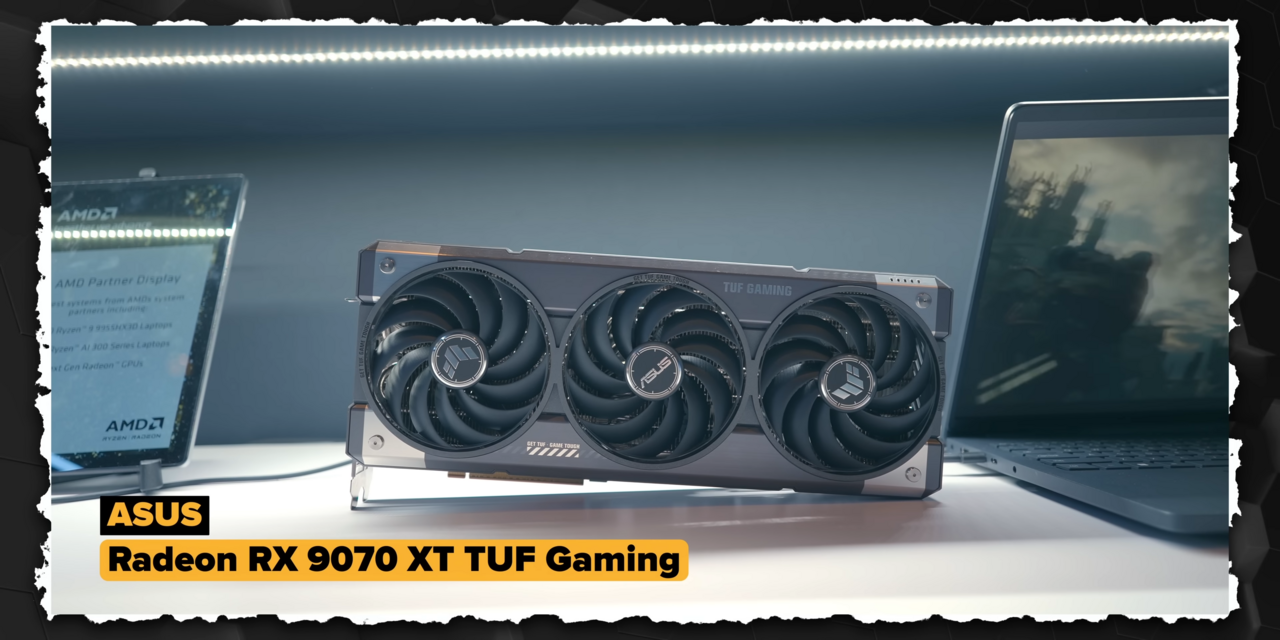
This one is for the largest group of PC gamers there is: people with a 1440p high refresh monitor and around $550 to $600 to spend on a graphics card. Both the NVIDIA GeForce RTX 5070 and the AMD Radeon RX 9070 launched at $549, both target exactly this resolution, and both are still the two most sensible midrange cards you can buy in 2026. Street prices drift, with the 5070 often found around $550 to $610 and the 9070 in a similar band, so the decision usually comes down to what each card is actually better at rather than which one is cheaper this week.
If you want the short version: the RX 9070 is the faster raw card with more memory, and the RTX 5070 has the stronger feature set and the better heavy ray tracing performance. The long version is more interesting.
In traditional rasterized games, which is still most of what people play, the RX 9070 is the quicker card at 1440p. Across large multi-game test suites from independent reviewers, it averages roughly 5 to 10 percent ahead of the RTX 5070, with some titles closer to even and a few stretching past 15 percent. That is not a blowout, but it is consistent, and at this tier it can be the difference between hovering near 90 fps and holding a locked 100.
Part of the reason is memory. The RX 9070 carries 16 GB of GDDR6 on a 256-bit bus, while the RTX 5070 has 12 GB of faster GDDR7 on a 192-bit bus. NVIDIA's memory is quicker per gigabyte, but AMD simply gives you more of it, and modern games at 1440p with high textures are starting to care.
Efficiency is a quiet AMD win too. The RX 9070 has a 220W board power against the 5070's 250W, and reviewers consistently praise how cool and quiet partner cards like the Sapphire Pulse run. Neither card needs an exotic power supply; a quality 650W to 750W unit covers either.
Turn ray tracing on and the picture changes, though less than it used to. RDNA 4 closed most of AMD's historical gap, and at 1080p and 1440p with standard ray tracing the two cards are surprisingly close. Where NVIDIA still wins clearly is path tracing, the full-fat lighting mode in games like Cyberpunk 2077 and Alan Wake 2. There the RTX 5070 holds a large advantage, and if those showcase modes matter to you, that settles it.
On upscaling, DLSS 4 remains the gold standard for image quality, and its multi frame generation can multiply output frames in supported games, which is genuinely useful on a 240 Hz monitor. But FSR 4 is AMD's biggest software leap in years. Reviewers generally place its image quality at or above DLSS 3 level, which means the practical gap on a normal screen at normal viewing distance is now small. The remaining catch is game support: DLSS is in more titles, and FSR 4's best results are limited to the games that have adopted it.
VRAM is a lifespan question, not a benchmark question. 12 GB on the RTX 5070 is enough for 1440p today, but this card should last you four or five years, and texture budgets only grow. The 9070's 16 GB is the safer bet for 2029, and that matters more than a few percent either way in current games.
Frame generation needs a real base frame rate. Multi frame generation looks great in marketing slides, but it feels best when the game already runs at 60 fps or more before generation. It is a bonus on top of good performance, not a rescue for bad performance. Do not buy either card expecting generated frames to fix a struggling game.
Check the actual card, not just the chip. Cheap dual-fan versions of either GPU can run louder and hotter than good triple-fan designs that cost $30 more. On the AMD side, Sapphire and PowerColor's midrange cards are consistently excellent. On the NVIDIA side, base MSRP models from ASUS, MSI, and Gigabyte are usually fine, but read a review of the specific model.
Your monitor decides more than brand loyalty does. A 1440p 165 Hz panel is the sweet spot for both cards. If you secretly plan to buy a 4K monitor next year, neither card is ideal, and you should be looking a tier up at the RTX 5070 Ti or RX 9070 XT instead.
Buy the RX 9070 if you mostly play rasterized games, competitive shooters, or big open-world titles at 1440p, and you want the card to age well. More speed in most games, 16 GB of VRAM, and lower power draw at the same money is a straightforward value argument, and FSR 4 has removed most of the old software penalty.
Buy the RTX 5070 if ray tracing and path tracing showcases are part of why you game, if you use NVIDIA-side tools like Broadcast or CUDA-accelerated apps for work, or if the widest upscaler support in your specific library matters to you. It is the more polished ecosystem attached to a slightly slower card.
If both sit at the same price and you have no strong pull either way, my money goes to the RX 9070. In 2026, at 1440p, it is simply more card for the same $549.
ReviewsLilith's real-time strategy game now has an official Windows client. Here's what changes when 15 civilizations, real-time kingdom wars and alliance politics get a full-size screen.
 Setup
SetupA grand does not buy a monster rig, but in 2026 it buys a genuinely good one. Here are the prebuilts worth your money, the specs that actually matter, and the traps that turn a bargain into a dead end.
 Setup
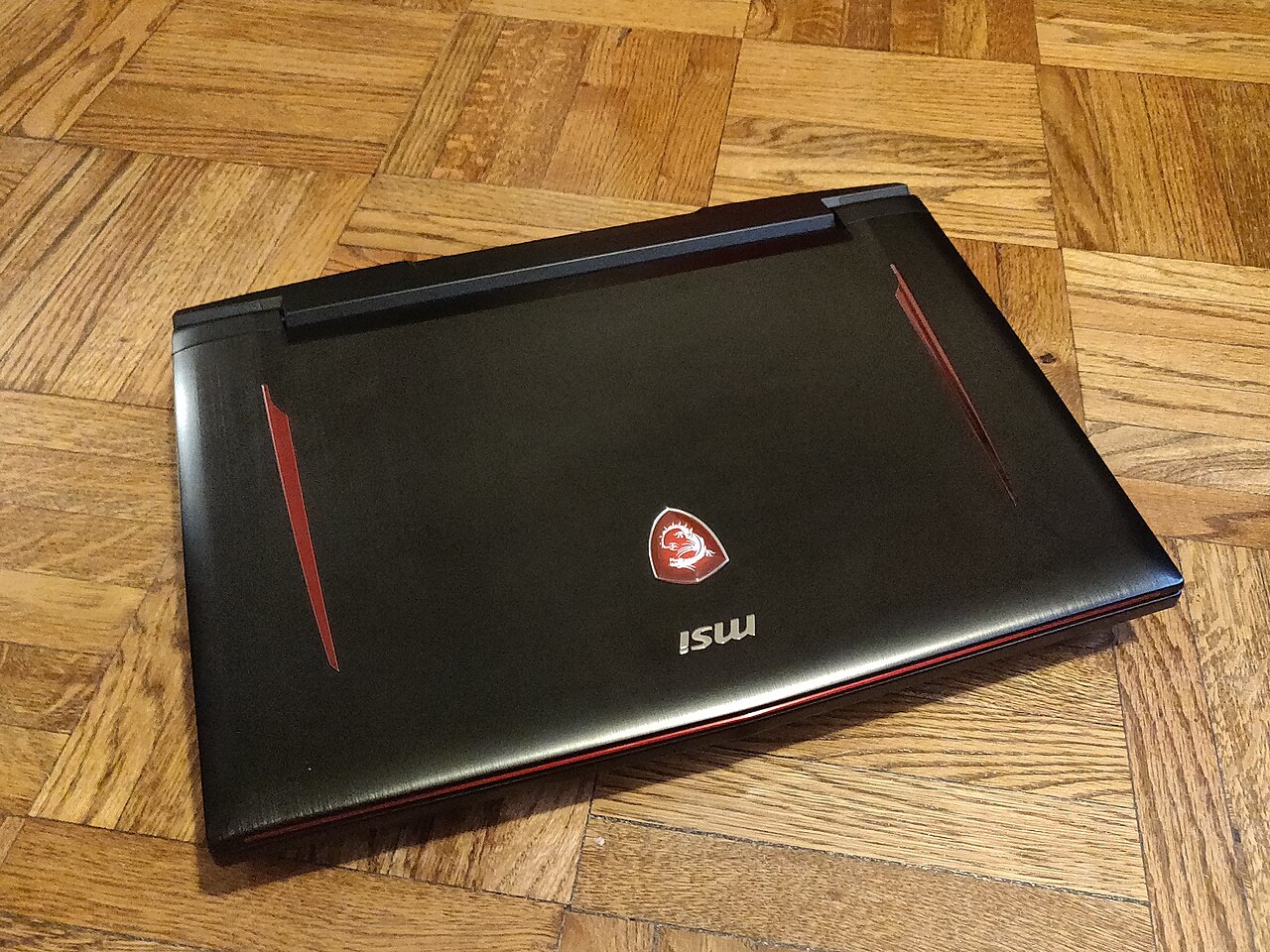
SetupRTX 50 series laptops now stretch from around $1,000 to well past $4,000. Here are the machines worth buying at every budget, and the one spec sheet number that matters more than the GPU's name.