
 Reviews
// 001
Rise of Kingdoms on PC: Is It Worth Playing in 2026?
Lilith's real-time strategy game now has an official Windows client. Here's what changes when 15 civilizations, real-time kingdom wars and alliance politics get a full-size screen.
A grand does not buy a monster rig, but in 2026 it buys a genuinely good one. Here are the prebuilts worth your money, the specs that actually matter, and the traps that turn a bargain into a dead end.
If you have around $1,000 to spend and no interest in building a PC yourself, you are shopping in the most competitive corner of the desktop market. This guide is for players who want smooth 1080p gaming, credible 1440p in most titles, and a machine that will still be worth upgrading in three years. It is not for people chasing 4K or path tracing. At this price, that money is better spent elsewhere.
The good news: in 2026, $1,000 gets you a current-generation GPU, a modern six-core CPU, 16 GB of RAM, and a 1 TB NVMe SSD. The bad news: plenty of systems at this price still cut corners you cannot see on the spec sheet. Let's sort the real deals from the traps.
Best overall: CyberPowerPC Gamer Xtreme with RTX 5060. CyberPower's sub-$1,000 configs have been the default recommendation for years for a reason. A typical current build pairs an Intel Core i5 (usually a 13400F or 14400F) with an RTX 5060, 16 GB of DDR5, and a 1 TB NVMe SSD for around $950. Crucially, these use standard ATX parts: a normal motherboard, a normal power supply, a normal case. When you want to drop in a bigger GPU in 2028, nothing will stop you.
Best for esports on a tighter budget: Lenovo LOQ Tower. Lenovo's LOQ desktops with an RTX 4060 or RTX 5060 regularly sell for around $800 to $900 on sale. For Valorant, Fortnite, Counter-Strike 2, and Marvel Rivals at high refresh rates, this is all the PC you need. Check the exact config before buying, since Lenovo sells LOQ towers with weaker cards too.
Best big-brand option: HP Victus 15L. Frequently discounted to around $850 with an RTX 5060 class GPU, the Victus 15L is compact, quiet, and backed by HP support. It is a fine machine if you never plan to upgrade it. If you do, read the traps section below first, because this one is the poster child.
Best value hunter's pick: Skytech or iBUYPOWER RTX 5060 builds. Both system integrators rotate sub-$1,000 configs constantly. When you find a Ryzen 5 chip on the AM5 socket, an RTX 5060, 16 GB of DDR5, and 1 TB of storage for around $900, that AM5 motherboard is the sleeper feature: it gives you a cheap CPU upgrade path for years.
GPU first, always. The graphics card determines your frame rate more than everything else combined. In 2026 the sweet spot at this price is the RTX 5060 or AMD's RX 7600 class cards. An RTX 5060 comfortably handles 1080p at high settings in demanding games and reaches 1440p with DLSS in most titles. Avoid anything still shipping an RTX 3050. That card was a compromise in 2022 and it is a hard pass now.
CPU: six modern cores is the floor. A Core i5-13400F, i5-14400F, or Ryzen 5 7500F class chip will not bottleneck any GPU you can afford at this price. Do not pay extra for a Core i7 in a sub-$1,000 build. That money belongs in the GPU.
RAM: 16 GB in two sticks. Dual-channel matters. A single 16 GB stick can cost you a noticeable chunk of performance in CPU-bound games. If the listing does not say "2x8GB" or "2x16GB", ask or assume the worst. DDR5 is preferable in 2026 but DDR4 on a good GPU still games fine.
Storage: 1 TB NVMe minimum. Modern games are enormous. Call of Duty alone can eat a quarter of a 512 GB drive. A 1 TB NVMe SSD is standard at this price now, so treat anything smaller as a red flag.
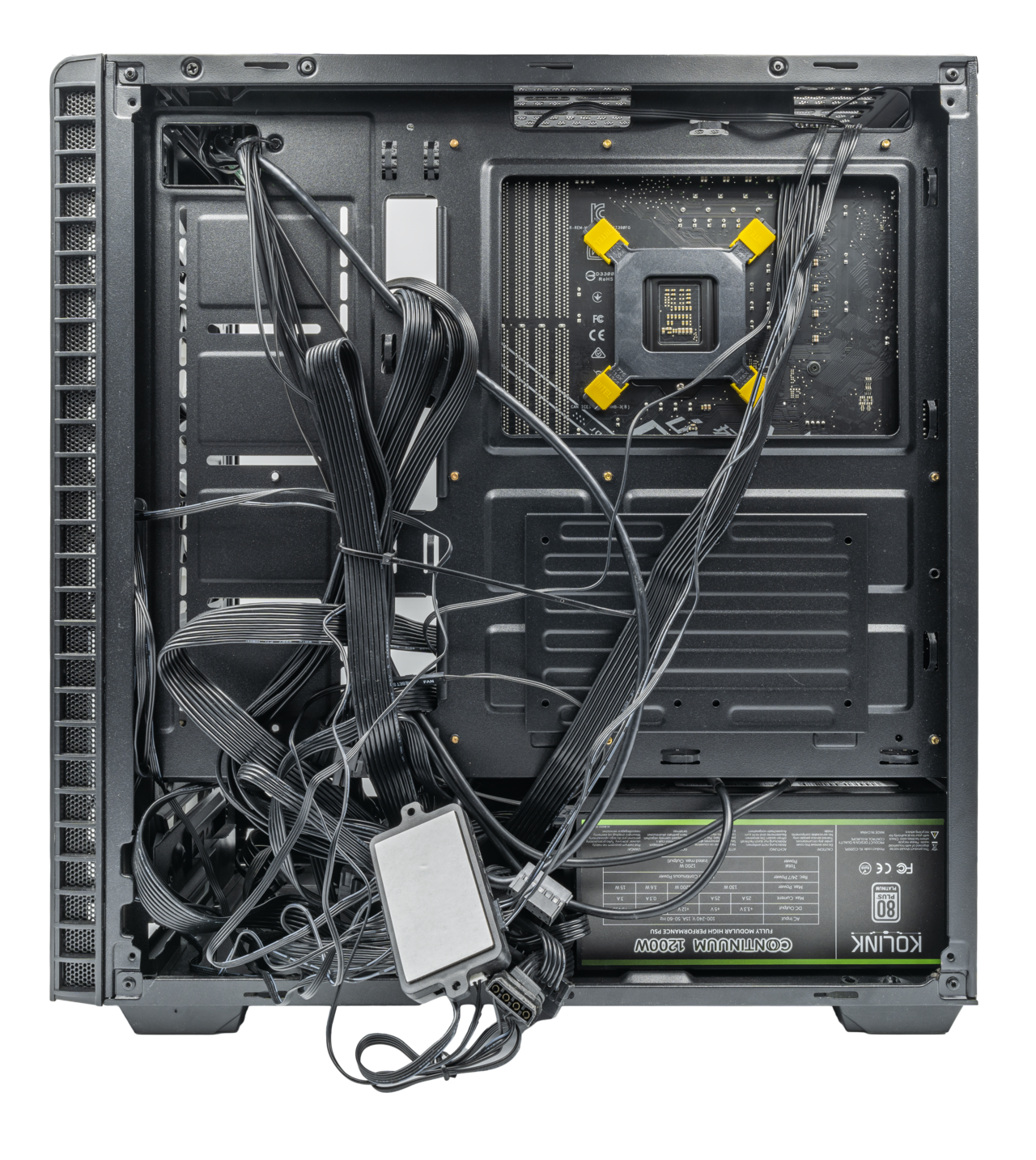
Proprietary power supplies and motherboards. This is the big one with mainstream brands. The HP Victus 15L, for example, ships with a proprietary 350W or 500W unit that only accepts HP replacements, and the motherboard uses a nonstandard layout. That means a future GPU upgrade may be capped by a PSU you cannot swap for a normal one. Dell and its Alienware Aurora line have played similar games for years. System integrators like CyberPower, Skytech, and iBUYPOWER use standard parts, which is a genuine long-term advantage.
8 GB of VRAM is the new minimum, not a feature. Nearly every card at this price, including the RTX 5060, ships with 8 GB. That is fine for 1080p today, but some 2025 and 2026 releases already push past it at high texture settings. Know that you are buying the floor, and drop textures one notch when a game stutters instead of blaming the whole PC.
Old inventory dressed up as a deal. Retailers still move prebuilts with RTX 3060 or RTX 4060 cards at prices close to newer RTX 5060 systems. A discounted last-gen system can be fine at around $750, but not at $950 when current-gen sits next to it.
Airflow-free cases. A glass front panel with one intake fan behind it looks great and cooks your components. Look for mesh fronts or at least two intake fans in product photos.
If you want one answer: buy a CyberPowerPC Gamer Xtreme or an equivalent Skytech or iBUYPOWER build with an RTX 5060, a modern six-core CPU, 16 GB of dual-channel RAM, and a 1 TB NVMe SSD for around $900 to $1,000. You get current-generation performance today and standard parts for tomorrow. If you find a Victus 15L or Lenovo LOQ at around $800 on a deep sale and you are happy to treat it as a sealed appliance for four years, that is a rational choice too. Just make it with your eyes open.
ReviewsLilith's real-time strategy game now has an official Windows client. Here's what changes when 15 civilizations, real-time kingdom wars and alliance politics get a full-size screen.
 Setup
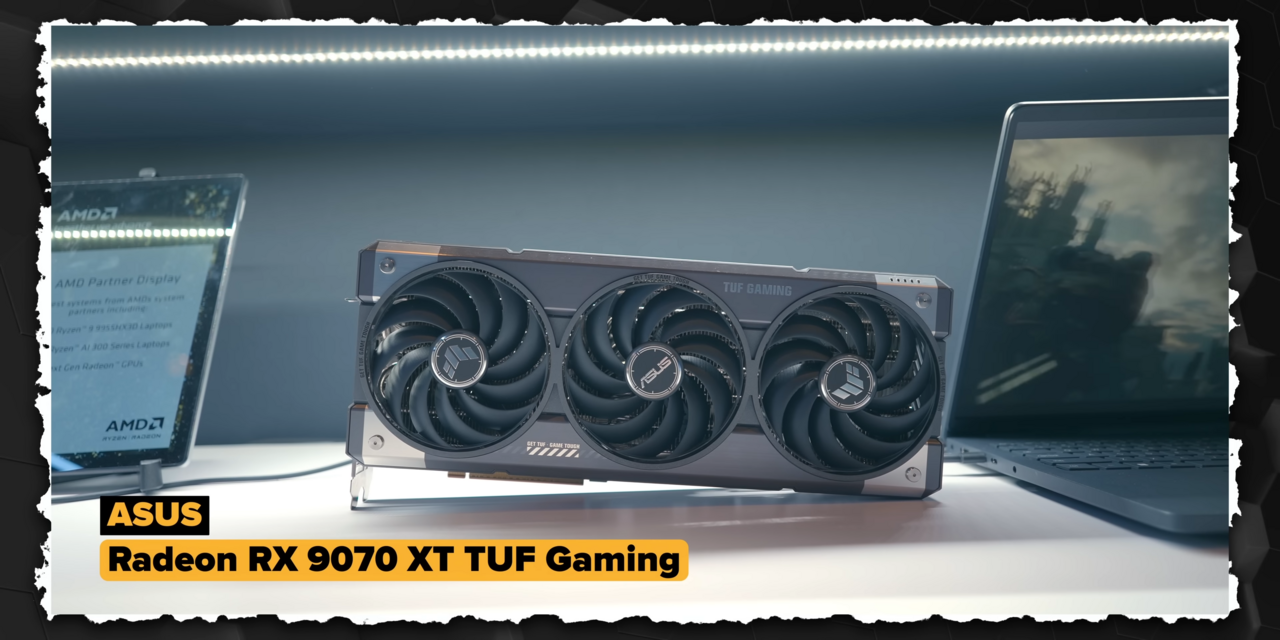
SetupNVIDIA and AMD both want your $549 for a 1440p card, and for once the fight is genuinely close. Here is how the RTX 5070 and RX 9070 actually compare in games, features, and long-term value.
 Setup
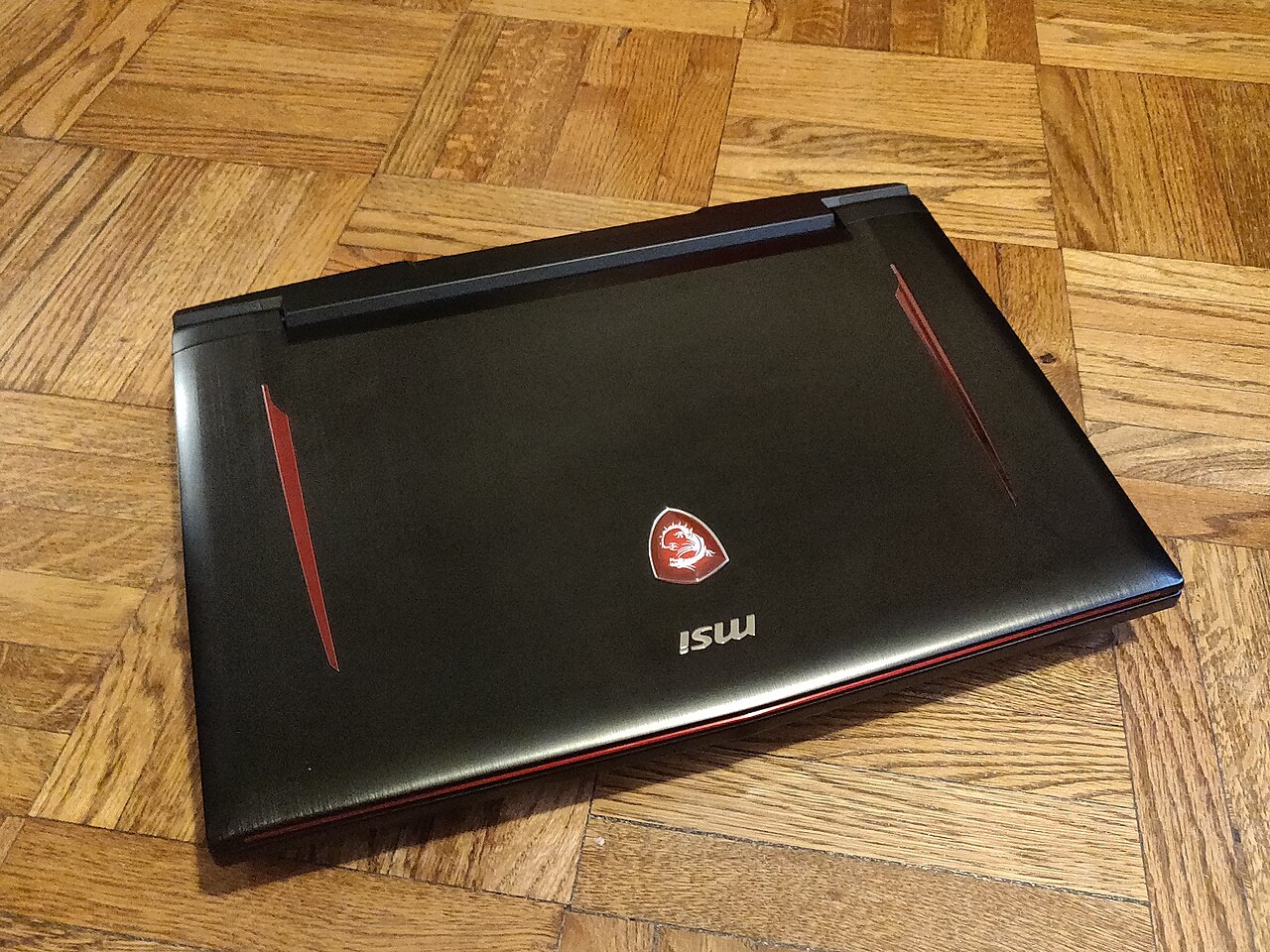
SetupRTX 50 series laptops now stretch from around $1,000 to well past $4,000. Here are the machines worth buying at every budget, and the one spec sheet number that matters more than the GPU's name.